Tag: Audi Quattro Restomod

  • Audi Sport Quattro: HSR Type 859 Price, Specs, and Reality Check

    Audi Sport Quattro: HSR Type 859 Price, Specs, and Reality Check

    How the independent 84-car restomod differs from the original Group B homologation model, what HSR is promising, and what a US buyer should verify before applying

    Type 859 fact Current information
    Builder HSR Manufaktur, an independent company with no factory Audi affiliation
    Project status Limited-production restomod in development; no independently tested customer car yet
    Donor vehicle Period-correct Audi Coupe B2 chassis
    Body construction Carbon-fiber panels over a shortened and reinforced donor structure
    Engine Heavily modified Audi DAZA 2.5-liter turbocharged five-cylinder
    Target output Driver-selectable 500 to 600 horsepower
    Transmission Reinforced six-speed manual
    All-wheel drive Mechanical Torsen system with a 40:60 rear-biased split
    Target weight Approximately 2,645 pounds, or around 1,200 kilograms
    Planned production 84 individually commissioned vehicles
    Starting price About 500,000 euros before taxes and customization, roughly $570,000 at the cited exchange rate

    Key Takeaways

    • The HSR Type 859 is not a new Audi model or a factory continuation. It is an independent restomod based on an Audi Coupe B2 donor.
    • HSR plans 84 cars with a modern five-cylinder engine, manual gearbox, mechanical AWD, carbon bodywork, and 500 to 600 horsepower.
    • The published starting figure is approximately $570,000 before taxes, customization, transport, registration, and other ownership costs.
    • Public images are computer-generated, and the project still has prototype, testing, production, and regulatory milestones ahead.
    • US applicants should obtain written answers about title, VIN, emissions, safety compliance, warranty, servicing, payment milestones, and refund rights.

    The Audi Sport Quattro has returned in spirit through the HSR Manufaktur Type 859, but buyers should understand exactly what that means. This is a proposed high-end restomod inspired by the 1984 short-wheelbase rally homologation car, not a vehicle designed, approved, or sold by Audi.

    HSR promises analog character with modern power, materials, suspension, safety reinforcement, climate control, and connectivity. The key question is how much of the car has been engineered, tested, certified, and funded.

    The short answer

    The Type 859 is a planned 84-unit tribute that aims to combine 500 to 600 horsepower, a six-speed manual, rear-biased mechanical AWD, and a carbon body at a starting price near $570,000. It remains a developing independent project, so every performance figure and delivery promise should be treated as a target until a running production-intent car is tested.

    Is the Audi Sport Quattro Really Back?

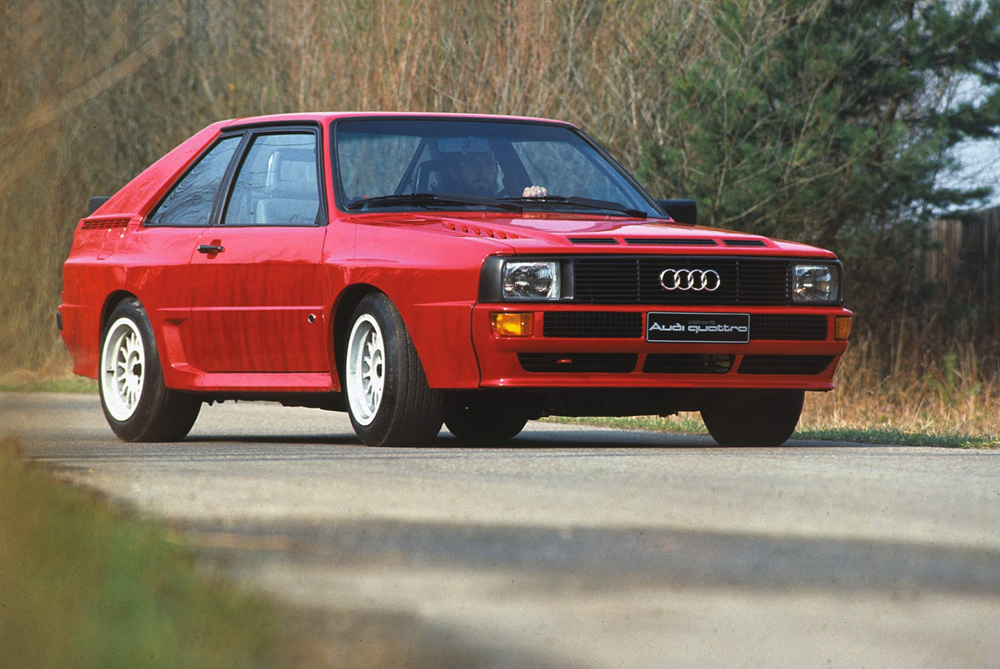
    The original Sport quattro was a factory Audi homologation special launched in 1984 with a shortened wheelbase and a new four-valve five-cylinder. Audi won the drivers and manufacturers rally titles that year, cementing the car’s icon status.

    The new project uses that history as inspiration rather than legal identity. Car and Driver’s HSR Type 859 report describes the car as a 500-plus-horsepower restomod built from a period-correct Audi Coupe B2 donor, with only 84 examples planned and a starting figure of about $570,822 at the exchange rate used by the publication.

    HSR also states clearly that it is independent and is not sponsored, associated, approved, or endorsed by Audi AG. That distinction matters for branding, warranty, parts support, resale, legal compliance, and the way a collector should evaluate the project.

    Original Sport quattro Versus HSR Type 859

    Category 1984 Audi Sport quattro HSR Type 859
    Manufacturer Audi factory production car Independent HSR commission
    Purpose Group B homologation and road use Modern collector restomod and driving car
    Base structure Factory short-wheelbase body Audi Coupe B2 donor shortened and rebuilt
    Engine philosophy Period turbocharged five-cylinder Modern 2.5-liter turbo five-cylinder
    Power About 306 PS in road form Target 500 to 600 hp
    Transmission Period manual gearbox Reinforced six-speed manual
    AWD character Original quattro system Torsen mechanical AWD with 40:60 split
    Rarity Factory homologation production 84 units planned
    Collector identity Original historical artifact Modern interpretation using donor architecture

    The two cars therefore serve different buyers. An original Sport quattro is valued for factory provenance and period authenticity. The Type 859 is aimed at someone who wants the shape and mechanical drama with far more power, modern materials, contemporary usability, and bespoke personalization.

    How HSR Plans to Build the Type 859

    HSR begins with an Audi Coupe B2 donor, strips the chassis, and shortens the body by 12.6 inches. The axles are then moved slightly farther apart, with the front axle going forward and the rear axle moving backward, to improve stability while preserving the short and muscular proportions.

    An integrated roll cage reinforces the structure, while carbon-fiber exterior panels reduce weight. HSR targets approximately 2,645 pounds, although final curb weight will depend on the production specification, interior, safety equipment, and customer options.

    System Planned specification Buyer significance
    Engine Forged 2.5L DAZA five-cylinder with dry-sump lubrication Modern output and rally-style soundtrack
    Power modes Approximately 500 to 600 hp Street, sport, track, or rally character
    Gearbox Reinforced six-speed manual with gated-style control Direct analog involvement
    AWD Torsen center differential and rear-biased torque split Permanent mechanical traction
    Suspension Active ride-height control with multiple modes Street compliance and track or rally setup
    Brakes High-performance system, with carbon-ceramic hardware discussed Heat resistance and lower unsprung mass
    Interior Analog-inspired controls with A/C and phone connectivity Period emotion without giving up daily usability

    HSR’s official Type 859 project page describes a five-cylinder manual AWD car with active suspension, street, sport, track, and rally modes, air conditioning, modern electronics, and wireless smartphone connectivity. The company also says each of the 84 vehicles will be configured as a bespoke commission.

    Price: What Does $570,000 Actually Cover?

    The published starting price is approximately 500,000 euros before taxes and customization. Car and Driver converted that to about $570,822 at the exchange rate used in its report. Currency movement alone can change the dollar figure before a contract is signed.

    Budget item Working amount What to confirm
    Base commission About $570,000 Exact exchange rate and payment currency
    Donor vehicle Unknown in final contract Whether supplied, included, credited, or purchased separately
    Bespoke options $25,000 to $100,000+ possible Paint, trim, seats, cage, wheels, brakes, and track equipment
    Taxes and duties Location dependent VAT treatment, import duty, sales tax, and registration
    Transport and insurance Variable Ocean or air freight, inland transport, and collector coverage
    Legal or engineering work Potentially substantial Federalization, emissions, inspection, title, and state compliance
    The advertised price is not the out-the-door price

    A US buyer should not assume that the European starting figure includes the donor car, tax, shipping, import work, federal or state compliance, registration, insurance, customization, or spare parts. The signed contract should state every included item.

    The Biggest Question Is Project Maturity

    The specification is ambitious, but public images are computer-generated rather than photographs of a completed running car. HSR’s investor material says the company is seeking strategic partners to bring its first prototype to life and targets a 2027 launch. That makes schedule and execution risk central to the buying decision.

    Before sending a major deposit, ask which parts exist, which suppliers are contracted, when the first chassis will run, what testing is planned, and which milestones trigger payment. A reservation and a final build contract are not the same commitment.

    Claim or target Current confidence What would increase confidence
    500 to 600 hp Plausible but untested in the final car Running prototype dyno and road data
    Approx. 2,645-lb weight Target Production-intent scale certificate
    Road legality General company claim Country-specific certification and registration proof
    84-car production Planned allocation Funded build program and supplier capacity
    2027 launch Company target Completed prototype and public test schedule
    Modern reliability Design objective Durability program, warranty, and service network

    What a US Buyer Should Verify

    • Who holds legal title to the donor during construction and what VIN will appear on the completed vehicle?
    • Will the finished car be registered as the donor model, a reconstructed vehicle, or a newly manufactured specialty vehicle?
    • Who is responsible for EPA, NHTSA, customs, and state inspection requirements?
    • Does the company guarantee road registration in the buyer’s specific state?
    • What warranty applies to the engine, transmission, body, electronics, suspension, paint, and labor?
    • Where can service, software diagnosis, body repair, and replacement parts be obtained in the United States?
    • Which payments are refundable, which milestones are objective, and what happens after delay, redesign, or cancellation?
    • Will the customer receive test results, build photos, supplier documentation, spare parts, and a complete specification record?

    Original Car or Restomod: Which Is the Better Buy?

    An original factory Sport quattro offers historical authenticity, established collector recognition, and direct connection to Audi’s rally program. It also brings period safety, rare parts, age-related restoration needs, and the responsibility of preserving an irreplaceable car.

    The Type 859 promises greater speed, stronger brakes, modern controls, and easier high-performance driving. Its future value will depend on execution, delivery, documentation, legal usability, and whether the finished car matches the claims.

    Neither should be treated as a guaranteed investment. The original is a known historical asset with an established market. The restomod is a high-risk bespoke commission whose collectability must be created through engineering and delivery.

    Who Should Consider the Type 859?

    • A collector who already understands bespoke-car contracts and long development timelines
    • A driver who wants manual shifting, mechanical AWD, low weight, and five-cylinder sound
    • A buyer willing to trade factory authenticity for modern speed and usability
    • Someone able to absorb delays, changing specifications, currency movement, and customization costs
    • A US applicant with specialist legal, import, registration, insurance, and service support

    It is a poor fit for a buyer who expects factory Audi warranty coverage, immediate delivery, a conventional dealer network, a guaranteed US title, or independently verified performance today.

    Frequently Asked Questions

    Is the HSR Type 859 made by Audi?

    No. HSR Manufaktur is independent and states that it is not affiliated with or endorsed by Audi.

    How much does it cost?

    The published starting figure is about 500,000 euros before taxes and customization, or roughly $570,000 at the cited exchange rate.

    How many will be built?

    HSR plans 84 cars as a reference to Audi’s successful 1984 rally season.

    What engine will it use?

    The project specifies a heavily rebuilt 2.5-liter DAZA turbo five-cylinder with approximately 500 to 600 horsepower.

    Will it have a manual transmission?

    Yes. HSR plans a reinforced six-speed manual gearbox and permanent mechanical AWD.

    When will deliveries begin?

    A firm customer-delivery date has not been established publicly. HSR targets a 2027 launch, but the first prototype and testing program still matter.

    Can it be registered in the United States?

    HSR calls the car road legal, but public information does not provide a complete state-by-state US compliance plan. Buyers need written confirmation for their jurisdiction.

    Final Verdict

    The Type 859 is one of the most compelling modern interpretations of the Audi Sport Quattro idea. Its planned five-cylinder engine, manual transmission, rear-biased mechanical AWD, carbon body, and low target weight address exactly what many enthusiasts believe modern performance cars have lost.

    The project is also early enough that discipline matters more than excitement. A serious buyer should evaluate the company, prototype, engineering partners, contract, legal pathway, warranty, and delivery milestones with the same care used to evaluate the car itself. The specification creates desire, but execution will create value.