
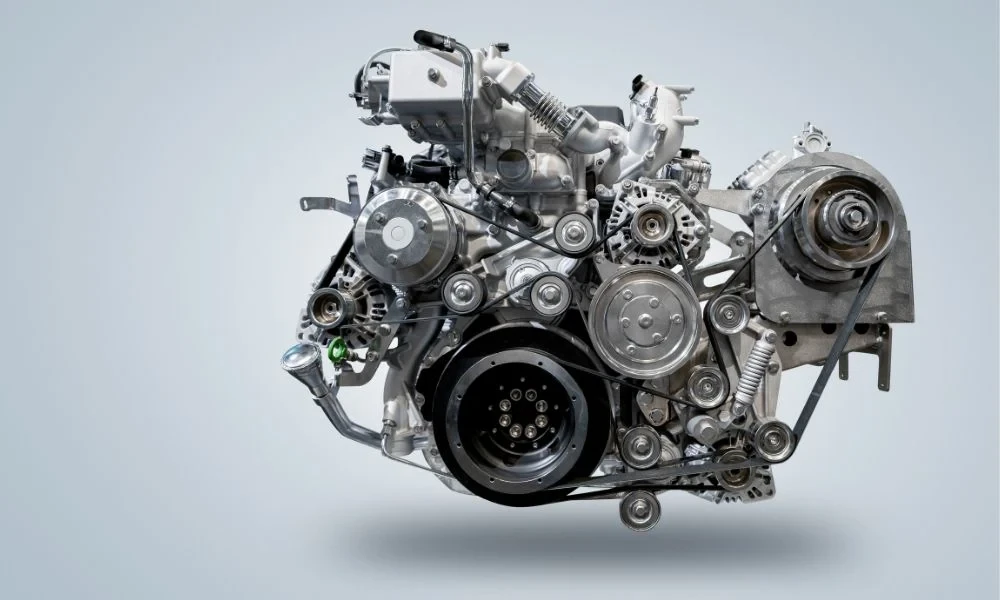
Heavy-duty diesel engines are widely used in trucks, buses, construction equipment, agricultural machinery, mining vehicles, and industrial applications. These engines must deliver high power and torque while operating efficiently for long periods. Advances in engineering and electronic systems have introduced several technologies that improve performance, fuel efficiency, reliability, and emission control.
As stringent environmental regulations and high operational demands reshape commercial transport, continuous innovations in heavy-duty diesel engines have transformed them into highly sophisticated powertrains capable of delivering exceptional torque, efficiency, and near-zero emissions.
Electronic Engine Control
Electronic control systems have transformed the way diesel engines operate. An Engine Control Module (ECM) receives information from sensors and uses it to adjust important engine functions. It can control fuel injection, monitor engine temperature, and respond to changes in engine speed and load.
This continuous adjustment allows the engine to operate more precisely under different working conditions. It also helps technicians identify problems through electronic diagnostic information.
Common Rail Fuel Injection
Common rail technology provides precise control over diesel fuel delivery. Fuel is maintained at high pressure in a shared rail before being supplied to electronically controlled injectors.
The system can adjust the timing and quantity of fuel delivered to the combustion chamber. Multiple injection events can also be used during a single combustion cycle. This helps improve combustion quality, engine response, and fuel utilization while supporting lower exhaust emissions.
Turbocharging and Variable Geometry
Turbochargers use energy from exhaust gases to increase the amount of air entering the engine. More available air allows the engine to burn fuel more effectively and produce greater power from a given engine size.
Variable-geometry turbochargers take this concept further by adjusting the position of internal vanes according to operating conditions. This helps provide suitable boost across different engine speeds and loads, improving responsiveness and efficiency.
Exhaust Aftertreatment Systems
Modern heavy-duty diesel engines use advanced aftertreatment technologies to control pollutants in exhaust gases. These systems work with engine controls to reduce emissions after combustion.
Important technologies include:
- Diesel particulate filters for capturing soot particles
- SCR technology helps control nitrogen oxide emissions in diesel engine exhaust.
- Diesel oxidation catalysts for treating certain exhaust pollutants
- Exhaust gas recirculation systems for controlling combustion conditions
Together, these technologies help modern engines meet increasingly strict emission requirements.
Advanced Cooling and Thermal Management
Heavy-duty engines generate substantial heat, particularly when operating under high loads. Modern cooling systems use improved components and electronic controls to maintain appropriate operating temperatures.
Efficient thermal management can help reduce unnecessary energy losses and protect engine components from excessive heat. It also supports stable operation when vehicles or equipment work in demanding environments.
Telematics and Predictive Maintenance
Connected technologies are changing how heavy-duty diesel engines are monitored. Telematics systems can collect information about engine performance, fuel consumption, operating hours, and fault conditions.
This information allows fleet operators and maintenance teams to monitor equipment remotely. When unusual operating patterns are identified, maintenance can sometimes be planned before a minor issue develops into a major failure.
